Paul Benkeser

Paul Benkeser's profile picture
pbenkeser@gatech.edu

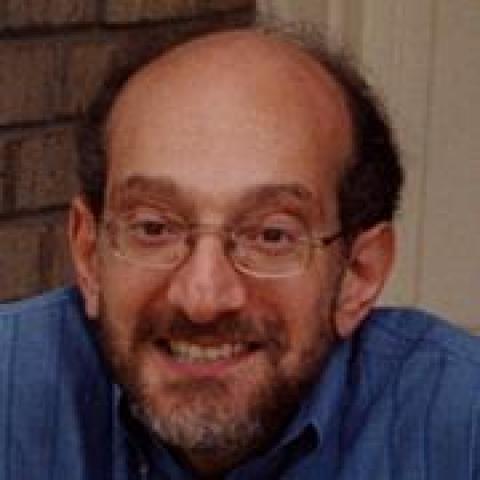
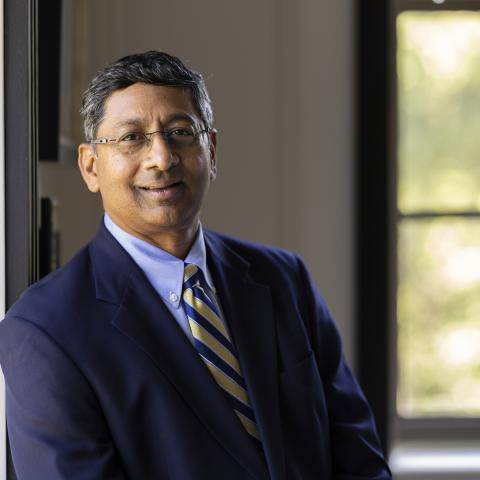
Paul Benkeser is a professor and senior associate chair in the Wallace H. Coulter Department of Biomedical Engineering at Georgia Tech and Emory University. A member of the Georgia Tech faculty since 1985, he was one of the founding faculty of the Coulter Department in 1998 and served as its first associate chair for undergraduate studies.    

His early research interests were in therapeutic and diagnostic applications of ultrasound. After joining the Coulter Department he redirected his energies toward enhancing undergraduate biomedical engineering  education, with particular interests in integrating problem-driven learning and global experiential learning opportunities in the curriculum. His research and education endeavors have been funded by grants from NIH, NSF, the Department of Veterans Affairs, and the Whitaker Foundation.    

Dr. Benkeser has been active in engineering accreditation activities for ABET since 2002, serving in a number of capacities including program evaluator, EAC Commissioner, and member of its board of delegates. He is a member of the American Institute for Medical and Biological Engineering, Biomedical Engineering Society, and American Society for Engineering Education, and a senior member of the Institute of Electrical and Electronics Engineers.    

He received his BS from Purdue University and MS and PhD from the University of Illinois at Urbana-Champaign, all in electrical engineering.
Professor
Senior Associate Chair
Phone
404-894-2912
Office
UAW 2125
Additional Research
Ultrasonic bioengineering, biomedical signal and image processing, and biomedical engineering education.
IRI/Group and Role
Bioengineering and Bioscience > Faculty
Bioengineering and Bioscience
University, College, and School/Department
Georgia Institute of Technology > College of Engineering > Coulter Department of Biomedical Engineering

Guy Benian

Guy Benian's profile picture
pathgb@emory.edu

Guy Benian is a professor of cell biology and pathology in the Department of Pathology and Laboratory Medicine at Emory University School of Medicine. His research focus is on myofibril assembly and maintenance in the model genetic system, Caenorhabditis elegans; focus on the functions and structures of giant multi-domain proteins, and the mechanism by which myofibrils are attached to the muscle cell membrane and transmit force.

Department of Pathology and Laboratory Medicine Professor
Professor of Cell Biology, Emory University School of Medicine
Professor of Pathology, Emory University School of Medicine
Phone
404-727-5953
Office
Biomedical Research Building 105E
Additional Research
We use the powerful model genetic organism, C. elegans, to discover new conserved aspects about muscle assembly, maintenance and regulation. Although our work is basic science, it has relevance to human diseases of muscle including cardiomyopathies and muscular dystrophies. Our main projects are: (1) The structures and functions of giant polypeptides in muscle, >700,000 Da, that consist of multiple Ig and Fn domains and one or two protein kinase domains. One focus is to determine the substrates for these kinases, and how they are activated (normally autoinhibited). The problem of activation is being studied in collaboration with structural biologist Olga Mayans (Univ. of Konstanz) and biomedical engineer Hang Lu (Georgia Tech). Recently, we have discovered that UNC-89 (human "obscurin") kinase activity is required for proper mitochondrial organization and function. This has initiated a collaboration with Jennifer Kwong in Emory's Pediatrics Dept. (2) The molecular mechanism by which the muscle contractile units (sarcomeres) are attached to the muscle cell membrane and transmit force. This involves "integrin adhesion complexes" (IACs) consisting of the trans-membrane protein integrin and many other proteins. C. elegans muscle has 3 such IACs, and through a mutant screen, we discovered a conserved protein (a GEF for Rac) that directs assembly specifically at one of these sites. (3) In collaboration with biophysicist Andres Oberhauser (UTMB), we are studying the mechanisms by which the conserved myosin head chaperone, UNC-45 folds or re-folds myosin heads, and we have recently discovered a role for UNC-45 in muscle aging (sarcopenia). This project has also branched into a screen for small compounds that increase the expression of UNC-45 and reduce sarcopenia. (4) We have a long-term collaboration with Dan Kalman in Emory's Pathology Dept. to study the beneficial effects of small molecules produced by the gut microbiome that promote healthspan, especially the attenuation of sarcopenia.
IRI/Group and Role
Bioengineering and Bioscience > Faculty
Bioengineering and Bioscience
University, College, and School/Department
Emory University > Department of Pathology

Holly Bauser-Heaton, MD, Ph.D.

Holly Bauser-Heaton, MD, Ph.D.'s profile picture
hbauser@emory.edu

 As a physician scientist, Dr. Bauser-Heaton's clinical and research interests are focused on pulmonary vascular disease. Our 3D bioprinted disease modeling allows study of patient specific geometries and cell types for potential therapeutic targets. Through collaborations with several IBB members, we have created a pipeline for disease modeling that includes computational fluid dynamics, particle image velocity measurement of shear stress, additive manufacturing and iPSC utilization. 

Assistant Professor
Phone
317.345.5268
Office
Children's Healthcare of Atlanta, Egleston 1405 Clifton Rd Atlanta, GA, 2nd floor cardiology suit
IRI/Group and Role
Bioengineering and Bioscience > Faculty
Bioengineering and Bioscience

Gary J. Bassell

Gary J. Bassell's profile picture
gbassell@emory.edu

Gary J. Bassell, Ph.D. joined the faculty at Emory University School of Medicine in 2005, where he is currently Professor and Chair of the Department of Cell Biology. His personal lab’s main interest is in understanding the mechanisms and functions of mRNA transport and local protein synthesis in neurons of the central and peripheral nervous system. The lab utilizes in vitro and in vivo mouse models and induced pluripotent stem cells (iPSCs) to study the basic mechanism, regulation and function of mRNA localization and local translation in axonal growth cones and dendritic spines. Prior to moving Emory, Dr. Bassell was a member of the faculty at the Albert Einstein College of Medicine, in the Department of Anatomy and Structural Biology (1995-1998) and subsequently in the Department of Neuroscience and Rose Kennedy Center for Mental Retardation (1998-2005). 

Professor and Chair of the Department of Cell Biology
Emory University
Phone
404-727-3772
Office
Whitehead Biomedical Research Bldg. #405E
Additional Research
The research interests of our laboratory are to understand the diverse and critical roles played by mRNA binding proteins and associated factors in the posttranscriptional regulation of gene expression in the nervous system, and investigate how these processes go awry in neurodevelopmental and neurodegenerative disorders. We investigate the normal mechanism, function and regulation of mRNA binding proteins in mRNA transport and local protein synthesis needed for neuronal development and synaptic plasticity. We investigate pathomechanisms for Fragile X syndrome (FXS) and other autism spectrum disorders, as well as two motor neuron diseases: spinal muscular atrophy (SMA) and amyotrophic lateral sclerosis (ALS). We are using mouse models of neurological diseases to assess the function of mRNA regulation and local protein synthesis in axon guidance, synapse development and neuronal signaling. Efforts are also underway to evaluate different therapeutic modalities in these mouse models of neurological diseases. Our research utilizes an integrated multi-disciplinary approach that involves cellular, molecular, biochemical, physiological, and behavioral methods and paradigms. These studies are expected to reveal new mechanisms important for neuronal development and function, and targeted approaches for therapeutic intervention that treat underlying molecular defects in SMA, Fragile X syndrome and autism spectrum disorders.
IRI/Group and Role
Bioengineering and Bioscience > Faculty
Bioengineering and Bioscience
University, College, and School/Department
Emory University > Department of Cell Biology

Edward Balog

Edward Balog's profile picture
ed.balog@ap.gatech.edu

Ryanodine receptors (RyRs) are intracellular ion channels that mediate the release of calcium from intracellular stores. RyR1 and RyR2 are the predominate isoforms in skeletal and cardiac muscle, respectively where they play a central role in excitation-contraction coupling. RyRs are the largest known ion channels and are regulated by a multitude of endogenous effectors including ions, small molecules, and accessory proteins. An area of interest is the regulation of these channels by endogenous effectors, especially as it relates to altered contractile function associated with cardiac ischemia, skeletal muscle fatigue and aging. 

Because of their central role in cellular calcium regulation, defects in RyR channels can lead to potentially fatal disorders. Mutations in RyR1 give rise to the pharmacogenetic skeletal muscle disorder, malignant hyperthermia (MH). RyR2 mutations have been identified in catecholaminergic polymorphic ventricular tachycardia. We are interested in determining the molecular mechanisms by which these mutations alter RyR channel function. 

We analyze channel function on multiples levels of organization. Sarcoplasmic reticulum vesicle [3H]ryanodine binding is used to examine large populations of channels. We incorporate channels into artificial lipid bilayers in order to record single channel currents and assess channel kinetics. Calcium release from permeabilized muscle fibers provides a method of examining RyR function in situ. My research has two long-range goals. The first is to understand how intracellular calcium is regulated and how alterations in the regulation effects cell function. The second goal is to understand the RyR regulatory sites that might be exploited for the development of pharmacological compounds to treat disorders of cellular calcium regulation.

Associate Professor
Phone
404-894-3957
Office
AP 1303
Additional Research
Research in our laboratory focuses on a class of intracellular ion channels know as ryanodine receptors (RyRs). In mammals, there are three RyR isoforms. RyR1 and RyR2 are the predominate isoforms in skeletal and cardiac muscle, respectively where they are the primary efflux pathway for the release of calcium from the sarcoplasmic reticulum to activate contraction. RyR3 has a wide tissue distribution and contributes to calcium regulation in a variety of cell types. RyRs are the largest known ion channel and are regulated by a multitude of endogenous effectors, including ions, metabolites and regulatory proteins. Therefore, an area of interest is the regulation of these RyR channels by endogenous effectors; especially as it relates to altered contractile function associated with cardiac and skeletal disease, skeletal muscle fatigue and aging. We analyze channel function on multiples levels of organization. Sarcoplasmic reticulum vesicle [3H]ryanodine binding is used to examine large populations of channels. Individual channels are incorporated into artificial lipid bilayers in order to record single channel currents and assess channel kinetics. Calcium release from permeabilized muscle fibers provides a method of examining RyR function in situ. My research has two long-range goals. The first is to understand how intracellular calcium is regulated and how alterations in the regulation effects cell function. The second goal is to understand the RyR regulatory sites that could potentially be exploited for the development of pharmacological compounds to treat disorders of cellular calcium regulation.
IRI/Group and Role
Bioengineering and Bioscience > Faculty
Bioengineering and Bioscience
University, College, and School/Department
Georgia Institute of Technology > College of Sciences > School of Biological Sciences

Julia Babensee

Julia Babensee's profile picture
julia.babensee@bme.gatech.edu

Julia Babensee is an Associate Professor in the Walter H. Coulter Department of Biomedical Engineering at Georgia Tech and Emory University. Dr. Babensee is affiliated with the Petit Institute for Bioengineering and Bioscience and the Georgia Tech/Emory Center for the Engineering of Living Tissue. 

Dr. Babensee is a member of the Cell and Molecular Biology Research Program at Winship Cancer Institute. She is also a permanent member of the NIH Bioengineering, Technology and Surgical Sciences study section. She is actively involved in several professional societies with service including SFB Member-at-Large (2008-2009) and Program Chair for the 2012 Annual Meeting of the Biomedical Engineering Society in Atlanta, Georgia. 

Her research program is in the area of engineering of inflammatory and immune responses focused on understanding host responses to combination products. Her research interests also include: Biomaterial interactions with dendritic cells, tissue engineering for rheumatoid arthritis, and biomaterial-applied immunology.

Babensee received her Ph.D. from University of Toronto in Toronto, Canada. She completed her postdoctoral fellowship at Rice University and Baylor College of Medicine.

Associate Professor
Phone
404-385-0130
Office
Petit Biotechnology Building, Office 1315
Additional Research
Host responses to combination products, biomaterial interactions with dendritic cells, tissue engineering for rheumatoid arthritis, targeted DNA vaccine delivery, and biomaterial-applied immunology.
IRI/Group and Role
Bioengineering and Bioscience > Faculty
Bioengineering and Bioscience
University, College, and School/Department
Georgia Institute of Technology > College of Engineering > Coulter Department of Biomedical Engineering

Turgay Ayer

Turgay Ayer's profile picture
tayer3@mail.gatech.edu

Turgay Ayer is the Virginia C. and Joseph C. Mello Chair and a professor in the H. Milton Stewart School of Industrial and Systems Engineering at Georgia Tech. Ayer also serves as the research director for healthcare analytics and business intelligence in the Center for Health & Humanitarian Systems at Georgia Tech and holds a courtesy appointment at Emory Medical School.

His research focuses on healthcare analytics and socially responsible business analytics with a particular emphasis on practice-focused research. His research papers have been published in top tier management, engineering, and medical journals, and covered by popular media outlets, including the Wall Street Journal, Washington Post, U.S. News, and NPR.

Ayer has received over $2.5 million grant funding and several awards for his work, including an NSF CAREER Award (2015), first place in MSOM Responsible Research in Operations Management (2019), first place in the MSOM Best Practice-Based Research Competition (2017), INFORMS Franz Edelman Laureate Award (2017), and Society for Medical Decision Making Lee Lusted Award (2009).

Ayer serves an associate editor for Operations Research, Management Science, and MSOM, and is a past president of the INFORMS Health Application Society. He received a B.S. in industrial engineering from Sabanci University in Istanbul, Turkey, and his M.S. and Ph.D. degrees in industrial and systems engineering from the University of Wisconsin–Madison.

Virginia C. and Joseph C. Mello Chair
Professor, Industrial and Systems Engineering
Research Director of Business Intelligence and Healthcare Analytics, Center for Health and Humanitarian Systems
Phone
404-385-6038
Additional Research

Socially Responsible Operations; Practice-focused Research; Healthcare Analytics

IRI/Group and Role
Bioengineering and Bioscience > Faculty
People and Technology > Affiliated Faculty
People and Technology
Bioengineering and Bioscience
University, College, and School/Department
Georgia Institute of Technology > College of Engineering > School of Industrial Systems Engineering
Research Areas
Artificial Intelligence

Costas Arvanitis

Costas Arvanitis's profile picture
costas.arvanitis@gatech.edu

Dr. Arvanitis joined Georgia Institute of Technology as a joint Assistant Professor at the George W. Woodruff School of Mechanical Engineering and the Wallace H. Coulter Department of Biomedical Engineering in August 2016. Before joining Georgia Institute of Technology he was Instructor (Research Faculty) at Harvard Medical Scholl and Brigham and Women’s Hospital. Dr. Arvanitis has also worked as a research fellow in the Biomedical Ultrasonics, Biotherapy and Biopharmaceuticals Laboratory at the Institute of Biomedical Engineering at the University of Oxford.

Associate Professor
Phone
404-385-5373
Office
Molecular Science and Engineering Building, Room 4100Q
Additional Research
Therapeutic applications of ultrasound: Costas Arvanitis' research investigates the therapeutic applications of ultrasound with an emphasis on brain cancer, and central nervous system disease and disorders. His research is focused on understanding the biological effects of ultrasound and acoustically induced microbubble oscillations (acoustic cavitation) and using them to study complex biological systems, such as the neurovascular network and the tumor microenvironment, with the goal of developing novel therapies for the treatment of cancer and central nervous system diseases and disorders.
IRI/Group and Role
Bioengineering and Bioscience > Faculty
Bioengineering and Bioscience
University, College, and School/Department
Georgia Institute of Technology > College of Engineering > Woodruff School of Mechanical Engineering
Subscribe to Faculty