Blair Brettmann

Blair Brettmann's profile picture
blair.brettmann@mse.gatech.edu

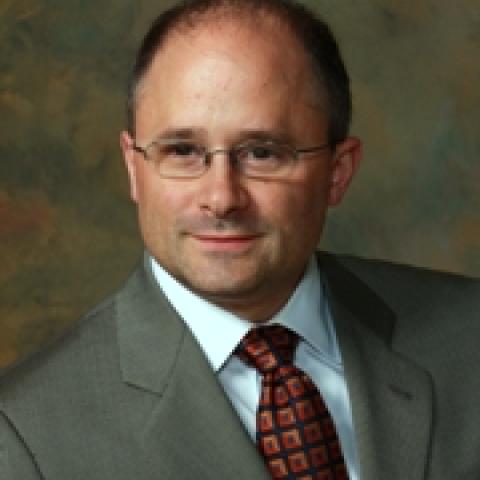
Blair Brettmann received her B.S. in chemical engineering at the University of Texas at Austin in 2007. She received her Master’s in chemical engineering practice from MIT in 2009 following internships at GlaxoSmithKline (Upper Merion, PA) and Mawana Sugar Works (Mawana, India). Blair received her Ph.D. in chemical engineering at MIT in 2012 working with the Novartis-MIT Center for Continuous Manufacturing under Professor Bernhardt Trout. Her research focused on solid-state characterization and application of pharmaceutical formulations prepared by electrospinning. Following her Ph.D., Brettmann worked as a research engineer for Saint-Gobain Ceramics and Plastics for two years. While at Saint-Gobain she worked on polymer-based wet coatings and dispersions for various applications, including window films, glass fiber mats and architectural fabrics. Later, Brettmann served as a postdoctoral researcher in the Institute for Molecular Engineering at the University of Chicago with Professor Matthew Tirrell. Currently, Brettmann is an assistant professor with joint appointments in chemical and biomolecular engineering and Materials Science and Engineering at Georgia Tech.

Assistant Professor, School of Chemical and Biomolecular Engineering and Material Science and Engineering
Phone
404.894.2535
Office
MoSE 31100P
Additional Research

Pharmaceuticals, polymer and fiber, printing technologies, polymers, nanocellulose applications, new materials, wet-end chemistry, manufacturing, biotechnology, cellulosic nanomaterials, chemistry, biomaterials, aerogels and hydrogels, coating, coatings and barriers, films and coatings

IRI/Group and Role
Bioengineering and Bioscience > Faculty
Renewable Bioproducts > Affiliated Faculty
Bioengineering and Bioscience
Space > Faculty
University, College, and School/Department
Georgia Institute of Technology > College of Engineering > School of Materials Science Engineering
Research Areas
Space
Renewable Bioproducts
  • Bioindustrial Manufacturing and Biorefining
  • Pulp, Paper, Packaging and Tissue
  • Circular Materials

Nicholas Boulis

Nicholas Boulis's profile picture
nicholas.boulis@emoryhealthcare.org

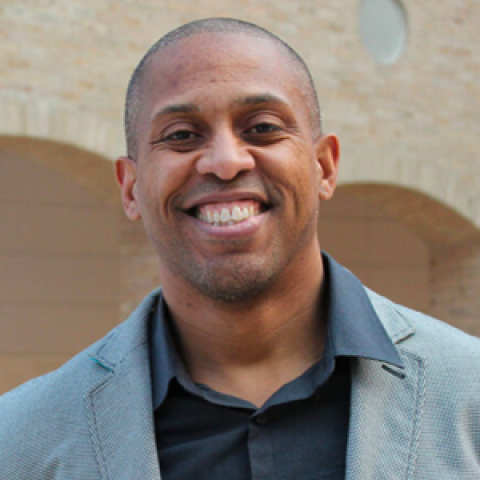
Dr. Nicholas M. Boulis is a neurosurgeon in Atlanta, Georgia and is affiliated with multiple hospitals in the area, including Emory University Hospital Midtown and Grady Memorial Hospital. He received his medical degree from Harvard Medical School and has been in practice for more than 20 years.

Associate Professor
MD
Director, Gene and Cell Therapy for Neurorestoration Laboratory
Phone
404-778-5770
Office
Emory Clinic, Building B
Additional Research
Boulis is a functional neurosurgeon with significant expertise in the field of gene transfer to the nervous system. Dr. Boulis' Gene and Cell Therapy Translational Laboratory pursues advanced biological treatments for neurological disorders, including Amyotrophic Lateral Sclerosis (ALS, also known as Lou Gehrig's disease) and Spinal Muscular Atrophy (SMA).
IRI/Group and Role
Bioengineering and Bioscience > Faculty
Bioengineering and Bioscience
University, College, and School/Department
Emory University > Department of Neurosurgery

Edward Botchwey

Edward Botchwey's profile picture
edward.botchwey@bme.gatech.edu

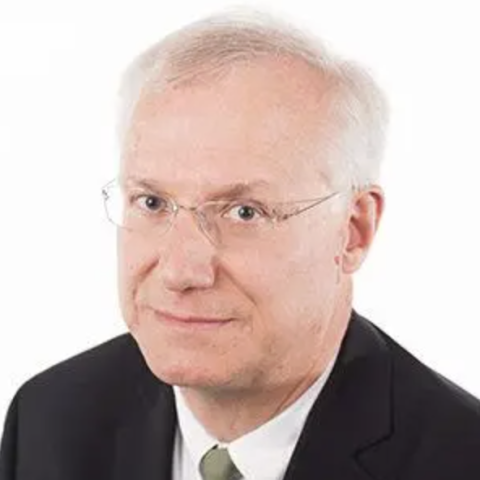
Edward Botchwey received a B.S. in mathematics from the University of Maryland at College Park in 1993 and both M.E. and Ph.D. degrees in materials science engineering and bioengineering from the University of Pennsylvania in 1998 and 2002 respectively. He was recruited to the faculty at Georgia Tech in 2012 from his previous position at the University of Virginia. His current position is associate professor in the Wallace H. Coulter Department of Biomedical Engineering at Georgia Tech and Emory University. Botchwey is former Ph.D. fellow of the National GEM Consortium, a former postdoctoral fellow of the UNCF-Merk Science Initiative, and a recipient of the Presidential Early Career Awards for Scientists and Engineers from the National Institutes of Health. 

Botchwey’s research focuses on the delivery of naturally occurring small molecules and synthetic derivatives for applications in tissue engineering and regenerative medicine. He is particularly interested in how transient control of immune response using bioactive lipids can be exploited to control trafficking of stem cells, enhance tissue vascularization, and resolve inflammation. Botchwey serves on the Board of Directors of the Biomedical Engineering Society (BMES) and serves as the secretary to the Biomedical Engineering Decade committee.

Botchwey, his wife Nisha Botchwey (also a GT faculty member) and three children reside in east Atlanta in the Lake Claire neighborhood. Botchwey is also an avid cyclist and enjoys reading YA fantasy, behavioral neuroscience and Christian theology books in his personal time.

Professor, Wallace H. Coulter Department of Biomedical Engineering
Phone
404.385.5058
Additional Research

Biomaterials, cellular materials, in situ characterization, tissue engineering, tissue engineering and biomaterials, microvascular growth and remodeling, stem cell engineering.

IRI/Group and Role
Bioengineering and Bioscience > Faculty
Bioengineering and Bioscience
University, College, and School/Department
Georgia Institute of Technology > College of Engineering > Coulter Department of Biomedical Engineering

Michael Borich

Michael Borich's profile picture
michael.borich@emory.edu

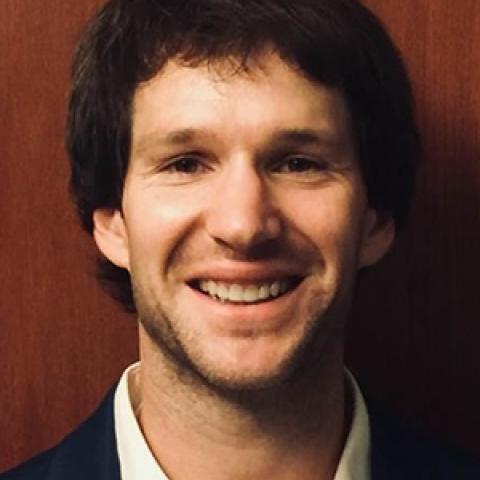
I am a rehabilitation neuroscientist keenly interested in the brain's capacity for change in response to rehabilitation after injury or in the context of disease. My work incorporates multimodal neuroimaging and neurostimulation approaches to investigate brain structure and function. The overarching aim of this work is to uncover the key neural substrates supporting motor control and motor learning to enable the design of optimal rehabilitation strategies to maximize recovery of function following neurologic injury.

Associate Professor
Adjunct Assistant Professor, Department of Biomedical Engineering, Georgia Tech
Training Faculty, Neuroscience Graduate Program, Emory University
Phone
404-712-0612
Office
Emory Rehabilitation Hospital, R228
Additional Research
My primary research focus is to understand the neural substrates of motor learning and experience-dependent plasticity in healthy individuals and individuals after stroke. This work utilizes cutting-edge neuroimaging and neurostimulation techniques to evaluate both human brain anatomy (structure) and physiology (function). It remains unclear how the brain recovers from neurologic insult and, therefore, rehabilitation strategies aimed at ameliorating functional impairments following injury are currently suboptimal. My work aims to understand how best to measure brain recovery after injury and how best to stimulate optimal restoration of function.
IRI/Group and Role
Bioengineering and Bioscience > Faculty
Bioengineering and Bioscience
University, College, and School/Department
Emory University > Department of Rehabilitation Medicine

Mark Borodovsky

Mark Borodovsky's profile picture
borodovsky@gatech.edu

Dr. Borodovsky and his group develop machine learning algorithms for computational analysis of biological sequences: DNA, RNA and proteins. Our primary focus is on prediction of protein-coding genes and regulatory sites in genomic DNA. Probabilistic models play an important role in the algorithm framework, given the probabilistic nature of biological sequence evolution.

Regents' Professor
Director, Center for Bioinformatics and Computational Genomics
Senior Advisor in Bioinformatics, Division of High Consequence Pathogens and Pathology, Centers for Disease Control and Prevention in Atlanta
Phone
404-894-8432
Office
EBB 2105
Additional Research

Development and applicaton of new machine learning and pattern recognition methods in bioinformatics and biological systems. Development and applicaton of new machine learning and pattern recognition methods in bioinformatics and biological systems. Chromatin; Epigenetics; Bioinformatics

IRI/Group and Role
Bioengineering and Bioscience > Faculty
Data Engineering and Science > Affiliated Faculty
Data Engineering and Science
Bioengineering and Bioscience
University, College, and School/Department
Georgia Institute of Technology > College of Engineering > Coulter Department of Biomedical Engineering
Research Areas
Artificial Intelligence

Andreas Bommarius

Andreas Bommarius's profile picture
andreas.bommarius@chbe.gatech.edu

Andreas (Andy) S. Bommarius is a professor of Chemical and Biomolecular Engineering as well of Chemistry and Biochemistry at the Georgia Institute of Technology in Atlanta, GA.  He received his diploma in Chemistry in 1984 at the Technical University of Munich, Germany and his Chemical Engineering B.S. and Ph.D. degrees in 1982 and 1989 at MIT, Cambridge, MA.

From 1990-2000, he led the Laboratory of Enzyme Catalysis at Degussa (now Evonik) in Wolfgang, Germany, where his work ranged from immobilizing homogenous catalysts in membrane reactors to large-scale cofactor-regenerated redox reactions to pharma intermediates.

At Georgia Tech since 2000, his research interests cover green chemistry and biomolecular engineering, specifically biocatalyst development and protein stability studies.  His lab applies data-driven protein engineering to improve protein properties on catalysts ranging from ene and nitro reductases to cellobiohydrolases.  Bommarius has guided the repositioning of the curriculum towards Chemical and Biomolecular Engineering by developing new courses in Process Design, Biocatalysis and Metabolic Engineering, as well as Drug Design, Development, and Delivery (D4), an interdisciplinary course with Mark Prausnitz.

Andy Bommarius in 2008 became a Fellow of the American Institute of Medical and Biological Engineering.  Since 2010, he is Director of the NSF-I/UCR Center for Pharmaceutical Development (CPD), a Center focusing on process development, drug substance and product stability, and novel analytical methods for the characterization of drug substances and excipients.

Professor, School of Chemical and Biomolecular Engineering, School of Chemistry and Biochemistry
RBI Initiative Lead: A Renewables-based Economy from WOOD (ReWOOD)
Phone
404-385-1334
Office
EBB 5018
Additional Research

Biomolecular engineering, especially biocatalysis, biotransformations, and biocatalyst stability. Biofuels. Enzymatic Processing; Biochemicals; Chip Activation.

IRI/Group and Role
Bioengineering and Bioscience > Faculty
Renewable Bioproducts > Affiliated Faculty
Renewable Bioproducts > Leadership
Energy > Research Community
Bioengineering and Bioscience
Renewable Bioproducts
Energy
University, College, and School/Department
Georgia Institute of Technology > College of Engineering > School of Chemical and Biomolecular Engineering
Research Areas
Energy
  • Advanced Manufacturing for Energy
Renewable Bioproducts
  • Bioindustrial Manufacturing and Biorefining
  • Circular Materials

John Blazeck

John Blazeck's profile picture
john.blazeck@chbe.gatech.edu

The Blazeck Lab tackles challenges at the interface of immunology, engineering, and metabolism to improve human health. We utilize our expertise in cellular and protein engineering to control biological function and to develop novel therapies to fight disease.

Synthetic Immune Systems

Our immune system uses very complex processes to make exquisitely specific receptors that recognize disease causing agents, and much of our ability to fight diseases is contingent upon the development of a diverse repertoire of immune receptors. Many questions remain unanswered about these immune receptors. For instance, at a population level, can we characterize the millions of receptors each person makes? And then further determine which of these millions of receptors is most important towards recognizing and targeting a pathogen? And can we control the generation of immune receptors to have desired properties? We are striving to answer these questions by harnessing our immune system’s power in a synthetic setting to improve understanding and treatment options for numerous diseases, while developing applications for vaccine design, personalized medicine, and enzyme engineering.

Engineering Cellular Therapies

Immunotherapies are treatments designed to modulate the immune response that have shown astounding clinical potential, yet there are no current treatments with guaranteed success. We are working to engineer cellular systems with controllable, enhanced, and non-native functions that improve their impact and capability. By developing high throughput technologies to interrogate immune function, we hope to translate our findings into improvements in the next generation of cellular therapeutics. 

Developing Proteins that Fight Cancer and Control Metabolism

It is widely accepted that cancer cells have a significantly altered genomic and metabolic makeup relative to normal cells, but how can we best target these differences? By combining our expertise in metabolism and therapeutic protein engineering, are working to engineer proteins to directly target and fight cancer. For instance, certain enzymes can control the metabolic environment around tumors to inhibit their growth or to stimulate a native anti-cancer immune response. We utilize directed evolution approaches to optimize protein function and efficacy.

Assistant Professor
IRI/Group and Role
Bioengineering and Bioscience > Faculty
Bioengineering and Bioscience
University, College, and School/Department
Georgia Institute of Technology > College of Engineering > School of Chemical and Biomolecular Engineering

Shweta Biliya

Shweta Biliya's profile picture
sbiliya3@gatech.edu
Research Scientist I
Phone
Research Scientist I
Office
Petit Biotechnology Building, Office 3228
IRI/Group and Role
Bioengineering and Bioscience > Faculty
Bioengineering and Bioscience
University, College, and School/Department
Georgia Institute of Technology

Pamela Bhatti

Pamela Bhatti's profile picture
pamela.bhatti@ece.gatech.edu

Dr. Pamela Bhatti is Professor and Associate Chair for Strategic Initiatives and Innovation at the School of Electrical and Computer Engineering, Georgia Tech. Her research is dedicated to overcoming sensory loss in human hearing through focused neural stimulation, and novel implantable sensors. Dr. Bhatti also conducts research in cardiac imaging to assess and monitor cardiovascular disease. She received her B.S. in Bioengineering from the University of California, Berkeley (1989), her M.S. in Electrical Engineering from the University of Washington (1993), and her Ph.D. in Electrical Engineering from the University of Michigan, Ann Arbor (2006). In 2013, she earned an M.S. in Clinical Research from Emory University, and co-founded a startup company (Camerad Technologies) based on her research in detecting wrong-patient errors in radiology. Dr. Bhatti is the IEEE Journal of Translational Engineering in Health and Medicine, Editor-in-Chief; and, in 2017, received the Georgia Tech Class of 1934 Outstanding Interdisciplinary Activities Award.

Assistant Professor
Phone
404-894-7467
Office
MiRC 225
Additional Research

Biomedical sensors and subsystems including bioMEMS Neural prostheses: cochlear and vestibular Vestibular rehabilitation

IRI/Group and Role
Bioengineering and Bioscience > Faculty
Bioengineering and Bioscience
Matter and Systems
University, College, and School/Department
Georgia Institute of Technology > College of Engineering > School of Electrical and Computer Engineering

Saad Bhamla

Saad Bhamla's profile picture
saadb@chbe.gatech.edu

Saad Bhamla studies biomechanics across species to engineer knowledge and tools that inspire curiosity.

Saad Bhamla is an assistant professor of biomolecular engineering at Georgia Tech. A self-proclaimed "tinkerer," his lab is a trove of discoveries and inventions that span biology, physics and engineering. His current projects include studying the hydrodynamics of insect urine, worm blob locomotion and ultra-low-cost devices for global health. His work has appeared in the New York Times, the Economist, CNN, Wired, NPR, the Wall Street Journal and more.

Saad is a prolific inventor and his most notable inventions includes a 20-cent paper centrifuge, a 23-cent electroporator, and the 96-cent hearing aid. Saad's work is recognised by numerous awards including a NIH R35 Outstanding Investigator Award, NSF CAREER Award, CTL/BP Junior Faculty Teaching Excellence Award, and INDEX: Design to Improve Life Award. Saad is also a National Geographic Explorer and a TED speaker. Newsweek recognized Saad as 1 of 10 Innovators disrupting healthcare.

Saad is a co-founder of Piezo Therapeutics.

Outside of the lab, Saad loves to go hiking with his partner and two dogs (Ollie and Bella).

Assistant Professor
Phone
404-894-2856
Office
ES&T L1224
Additional Research
  • Biotechnology
  • Complex Systems
  • Materials and Nanotechnology
IRI/Group and Role
Bioengineering and Bioscience > Faculty
Bioengineering and Bioscience
Renewable Bioproducts > Affiliated Faculty
Matter and Systems > Affiliated Faculty
Robotics > Core Faculty
University, College, and School/Department
Georgia Institute of Technology > College of Engineering > School of Chemical and Biomolecular Engineering
Research Areas
Matter and Systems
  • Computing and Communication Technologies
Robotics
  • Manipulation and Locomotion
Renewable Bioproducts
  • Bioindustrial Manufacturing and Biorefining
  • Circular Materials
Subscribe to Faculty