Colleen Coulter-O'Berry
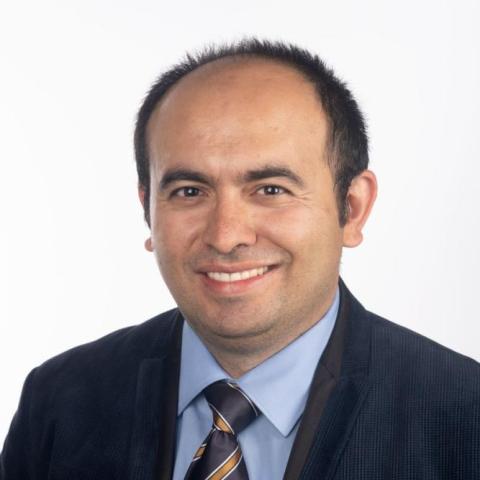
Ahmet Coskun is a Bernie-Marcus Early-Career Professor of Biomedical Engineering at Georgia Institute of Technology and Emory University. Coskun is a systems biotechnologist and bioengineer, working at the nexus of multiplexed cell imaging and quantitative tissue biology. He directs an interdisciplinary research team at the Single Cell Biotechnology and Spatial Omics Laboratory, an interdisciplinary program strategically positioned for multiparameter imaging one cell at a time by spatial context and function. Coskun holds five issued patents and is also the co-author of more than 50 peer-reviewed publications in major scientific journals. He is a recipient of the NSF CAREER Award 2024, NIH R35 MIRA Award 2023, Sigma Xi Young Faculty Award 2025, CMBE Young Innovator Award 2024, BMES-CMBE Rising Star Award 2023, American Lung Association Innovation Award 2022, Burroughs Welcome Fund CASI Award 2016, and Student Recognition of Excellence in Teaching: Class of 1934 CIOS Award, among other research and teaching awards. Previously, Coskun was an instructor at Stanford University. He received his postdoctoral training from the California Institute of Technology. He holds a Ph.D. from the University of California, Los Angeles. His research has been supported by federal and private grants, including the National Institutes of Health (NIGMS, NIA, NIAID, NCI, NIDCR, OD, and ORIP), Wellcome LEAP, Burroughs Wellcome Fund (CASI), NSF CMaT, American Cancer Society IRG, Multi-cellular engineered living systems (M-CELS), and Regenerative Medicine Center. In addition, he leads outreach programs to engage K-12 students and undergraduate students through BioCrowd Studio, an innovative crowd-sourcing program bringing together interactive virtual media, distributed biokits, and collaborative spatial discovery.
The Single Cell Biotechnology Lab aims to study spatial biology in health and disease. Our research lies at the nexus of multiplex bioimaging, microfluidic biodynamics, and big data biocomputation. Using high-dimensional nanoscale imaging datasets, we address fundamental challenges in immuno-engineering, cancers, and pediatric diseases. Our lab pursues a transformative multi-omics technology to integrate spatially resolved epigenetics and spatial genomics, proteomics, and metabolomics, all in the same platform. We uniquely benefit from super-resolution microscopy, imaging mass spectrometry, combinatorial molecular barcoding, and machine learning to enhance the information capacity of our cellular data. Variability of single cell images can be used to understand differences in therapeutic responses, as well as satisfy our curiosity on understanding how cells are spatially organized in nature.
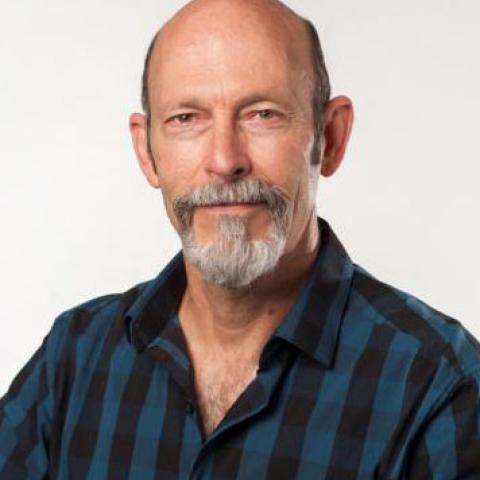
My research interests center on control of movement by sensorimotor integration in the mammalian spinal cord. Using predominantly electrophysiological methods applied in vivo, we study neural signaling by spinal motoneurons, somatosensory neurons, and their central synapses. Our primary analyses include electrical properties, synaptic function, and firing behavior of single neurons. We are actively examining how these neurons and synapses respond soon and long after peripheral nerve injury and regeneration. Our recent findings demonstrate that successful regeneration of damaged sensory axons does not prevent complex reorganization of their synaptic connections made within the spinal cord. In separate studies, we are examining novel mechanisms of sensory encoding and their impairment which recently discovered in rodents treated with anti-cancer drugs. Both nerve regeneration and chemotherapy projects are driven by the long-term goal of accurately identifying the neural mechanisms behind movement disorders. We also continue to explore fundamental operations of the normal adult nervous system. Our most recent studies focus on synaptic modulation of motoneuron firing and on interspecies comparisons of spinal circuits.
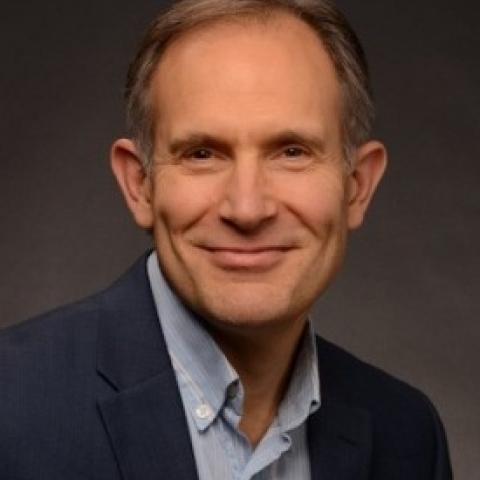
Marcus T Cicerone received his Ph.D. from the University of Wisconsin – Madison in 1994, under the direction of Mark Ediger. He spent three years at Johnson & Johnson Clinical Diagnostics, served as a visiting teaching professor at Brigham Young University for two years, and subsequently joined the National Institute of Standards and Technology in 2001, where he remained for 18 years, serving as a group leader and project leader. In January 2019 he joined the Georgia Institute of Technology as a Professor of Chemistry.
Professor Cicerone is a fellow of American Physical Society, and has received several awards for his efforts in coherent Raman-based biological imaging and for his work in dynamics of liquids and amorphous solids. These include a Johnson & Johnson Director’s Research Award, two Department of Commerce Bronze metals, the 2015 Washington Academy of Sciences Physical & Biological Sciences Award, and the 2017 Arthur S. Flemming Award.
"Craniofacial muscles are essential muscles for normal daily life. They are involved in facial expressions (facial muscles), blinking and eye movement (eye muscles), as well as speaking and eating (tongue and pharyngeal muscles). Interestingly, craniofacial muscles have differential susceptibility to several muscular dystrophies. For example, craniofacial muscles are the most affected muscles in oculopharyngeal muscular dystrophy but the least affected muscles in Duchenne muscular dystrophy. Among craniofacial muscles, dysfunction of tongue and pharyngeal muscles could cause an eating disability, called dysphagia, afflicts almost 15 million Americans including elderly, neuronal (Parkinson's disease and bulbar-onset amyotrophic lateral sclerosis) and muscular disease (oculopharyngeal muscular dystrophy) patients. However, no cure or therapeutic treatment exists for dysphagia caused by muscular dystrophy. Elucidation of the mechanism(s) behind these differing susceptibilities of craniofacial muscles could lead to development of potential therapeutics targeted to specific skeletal muscles involved in particular types of muscular dystrophy. The mechanisms of skeletal muscles are of interest here because skeletal muscle cells are multinucleated cells. Typically, skeletal muscle cells contain hundreds of nuclei in a single cell since they are generated by fusion of muscle precursor cells during development or by fusion of muscle specific stem cells, called satellite cells, in adult skeletal muscles. However, it is unclear how skeletal muscle cells regulate the quantity and quality of these multi-nuclei. Since craniofacial skeletal muscles, such as extraocular and pharyngeal muscles, have active satellite cell fusion in comparison to limb muscles, they are therefore suitable models to study myonuclear addition and homeostasis."
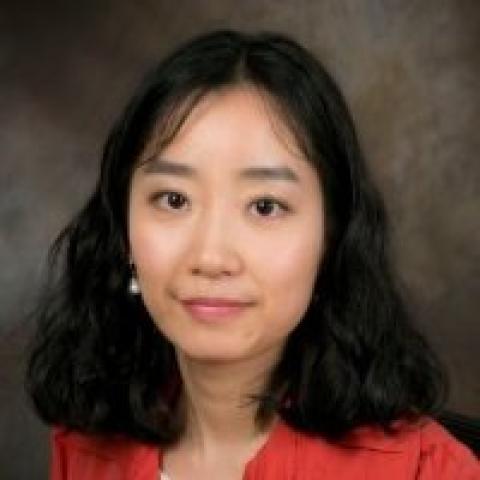
Hannah Choi is an Assistant Professor in the School of Mathematics at Georgia Tech. Her research focuses on mathematical approaches to neuroscience, with primary interests in linking structures, dynamics, and computation in data-driven brain networks at multiple scales. Before coming to Georgia Tech, she was a postdoctoral fellow at the University of Washington and also a visiting scientist at the Allen Institute for Brain Science, and spent one semester at the Simons Institute for the Theory of Computing at the University of California, Berkeley as a Patrick J McGovern Research Fellow. She received her Ph.D. in Applied Mathematics from Northwestern University and her BA in Applied Mathematics from the University of California, Berkeley.
Hee Cheol Cho is the Urowsky-Sahr Scholar in Pediatric Bioengineering and Associate Professor in the Department of Biomedical Engineering and Pediatrics. He received his PhD in Physiology from the University of Toronto in 2003.
Yury O. Chernoff is a professor in the School of Biology and Institute for Bioengineering and Bioscience and Editor-in-Chief of the scientific journal Prion. He received his undergraduate and graduate training and Ph.D. degree in biology from St. Petersburg (then Leningrad) State University (Russia) and performed postdoctoral research at Okayama University (Japan) and University of Illinois at Chicago.
Major topics of Dr. Chernoff’s research include yeast models for the protein aggregation disorders with an emphasis on the cellular control of protein aggregation and prion propagation, sequence-specificity of amyloid formation, and evolution of prion properties.
Dr. Chernoff’s work provided the first experimental evidence for the chaperone role in prion phenomena.
Lily Cheung got her research start as a sophomore at Rutgers University, where she graduated Summa Cum Laude with a B.S. in Chemical Engineering in 2008. She then earned her Ph.D. in Chemical Engineering from Princeton University in 2013. Under the supervision of Stanislav Shvartsman, she characterized gene regulatory networks controlling the development of the model organism Drosophila melanogaster, using a combination of molecular biology, genetics, and reaction-diffusion modeling.
During her postdoctoral training with Wolf Frommer at the Carnegie Institution for Science, she designed biomolecular sensors to quantify sugar transport in plants. Her current interests include the use of high-throughput quantitative techniques and mathematical modeling to advance our understanding of how metabolic and gene regulatory networks interact to control plant growth.
Lily is the recipient of a NSF NPGI Postdoctoral Fellowship in Biology, a NSF CAREER Award, and a Human Frontier Science Program Early Career Award.
Engineering of genetically encoded biosensors Quantitative fluorescence microscopy and image analysis Computational models of gene regulatory networks Transcriptional regulation and developmental biology of plants The past fifteen years has seen dramatic advancements in genome sequencing and editing. The cost of sequencing a genome has decreased by two orders of magnitude, giving rise to new systems-level approaches to biology research that aim to understand life as an emerging property of all the molecular interactions in an organism. At the same time, technologies that allow site-specific modifications of the genome are enabling researchers to manipulate multicellular organisms in unprecedented ways. From reductionist approaches to systems biology, and from conventional plant breeding to synthetic biology, the future of plant biology research relies on the adoption of computational methods to analyze experimental data and develop predictive models. In biomedicine, mathematical models are already revolutionizing drug discovery; in agriculture, they have the potential to generate more efficient, faster growing crop varieties. The goal of the Cheung lab is to bring quantitative techniques and mathematical modeling to plants in order to gain systems-level insight into their physiology and development - particularly to understanding how metabolic and gene regulatory networks interact to control homeostasis and growth.
Yue Chen is an assistant professor in the Department of Biomedical Engineering, GT/Emory. He received his Ph.D. degree in Mechanical Engineering from Vanderbilt University, M.S. in Mechanical Engineering from Hong Kong Polytechnic University, and a B.S. in Vehicle Engineering from Hunan University. His research focused on designing, modeling, and control of continuum robots and apply them in medicine.