Justin Kim

Justin Kim
jkim4172@gatech.edu

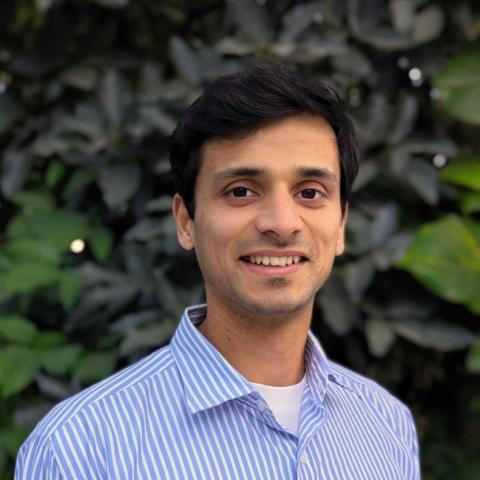
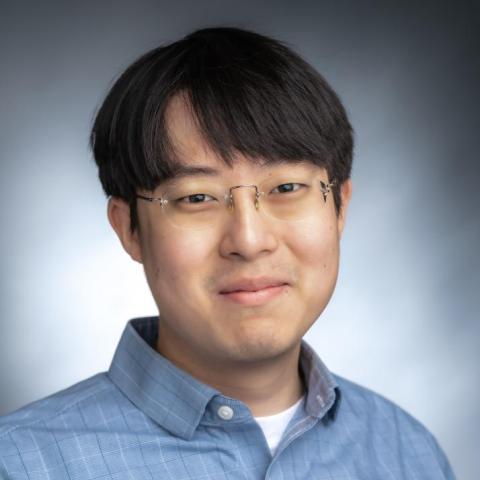
Justin Kim is an Associate Professor in the School of Chemistry and Biochemistry. He received his A.B. in Chemistry and Physics and an A.M. in Chemistry from Harvard College in 2003 then received his Ph.D. in Organic Chemistry from the Massachusetts Institute of Technology in 2013. After a postdoctoral fellowship as a Miller Institute Fellow at UC Berkeley and at Stanford University, he joined the faculty of the Department of Cancer Biology at Dana-Farber Cancer Institute and the Department of Biological Chemistry and Molecular Pharmacology at Harvard Medical School in 2016 as an Assistant Professor. He later joined the faculty at Georgia Tech in 2024. He is the recipient of the NIH Director’s New Innovator Award (2018), Thieme Chemistry Journal Award (2021), and the NSF CAREER Award (2023). Professor Kim’s research program is defined by the development of biologically relevant reactions for use in chemistry, biology, and materials science. His primary research interests are in expanding the functional repertoire of bioorthogonal chemistry, specifically exploring new bond-forming and breaking methods that enable platforms for discovering and targeting small molecule-protein and protein-protein interactions as well as for creating functionally dynamic biomaterials.


Associate Professor
Phone
404-894-9950
Office
MoSE 2144
IRI/Group and Role
Bioengineering and Bioscience > Faculty
University, College, and School/Department
Georgia Institute of Technology > College of Sciences > School of Chemistry & Biochemistry
Research Areas
Bioengineering and Bioscience
  • Biomaterials
  • Chemical Biology
  • Drug Design, Development and Delivery

Jacob Berchuck

jberchuck@emory.edu

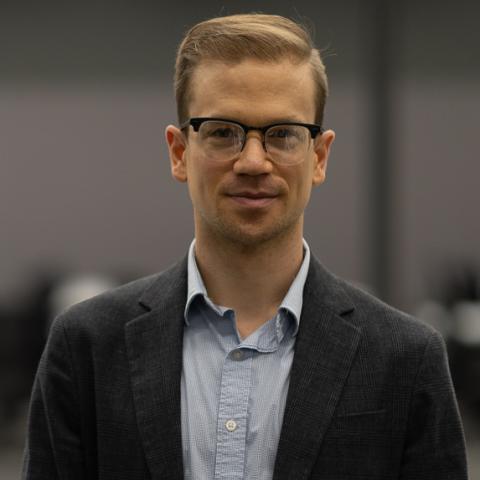
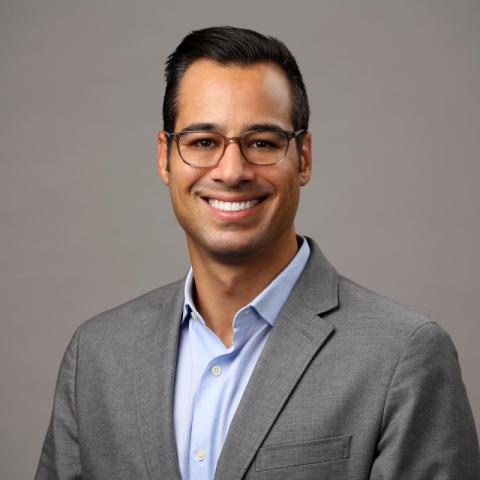
Dr. Jacob Berchuck is a Medical Oncologist at the Winship Cancer Institute and Assistant Professor in the Department of Hematology and Medical Oncology at Emory University School of Medicine. Prior to joining Emory, Dr. Berchuck was an Assistant Professor of Medicine at Harvard Medical School and a Medical Oncologist at the Dana-Farber Cancer Institute. In addition to caring for patients, Dr. Berchuck leads a translational research lab focused on utilizing "liquid biopsy" tools that enable multi-omic profiling of tumor-derived cell-free DNA circulating in the bloodstream to pioneer advances that transform how we manage and treat individuals living with cancer. The core research objectives of the Berchuck Lab include include developing biomarkers to guide treatment decisions, working towards a future where a simple blood draw can enable real-time insights to choose the right treatment for the right patient at the right time, and studying mechanisms of therapeutic resistance. Dr. Berchuck’s research has been published in several high-impact journals, including Nature Medicine, Cancer Cell, Annals of Oncology, JAMA Oncology, Clinical Cancer Research, and others.

Assistant Professor of Hematology and Medical Oncology
Additional Research

Cancer Biology, Diagnostics

IRI/Group and Role
Bioengineering and Bioscience > Faculty
University, College, and School/Department
Emory University
Research Areas
Bioengineering and Bioscience

Doby Rahnev

Rahnev
rahnev@psych.gatech.edu

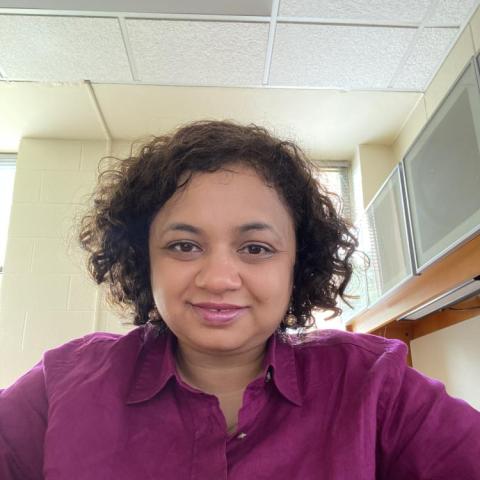
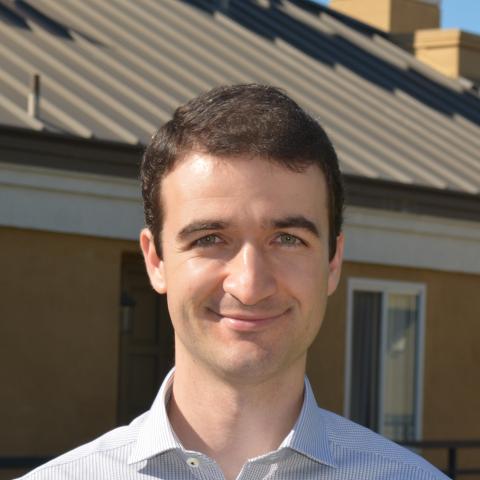
Dr. Rahnev received his Ph.D. in Psychology from Columbia University in 2012. After completing a 3-year post-doctoral fellowship at UC Berkeley, he joined Georgia Tech in 2015 where he is currently Blanchard Early Career professor. His research focuses on perceptual decision making – the process of internally representing the available sensory information and making decisions on it. Dr. Rahnev uses a wide variety of methods such as functional magnetic resonance imaging (fMRI), transcranial magnetic stimulation (TMS), psychophysics, computational modeling, and deep neural networks (DNNs). Dr. Rahnev’s work appears in high-impact journals such as Behavioral and Brain Sciences, PNAS, Nature Communications, and Nature Human Behavior. He has received over $3.5M in funding, including PI grants from NIH, NSF, and the Office of Naval Research.

Associate Professor
Office
J.S. Coon 130
Additional Research

Big Data

Human Augmentation 

IRI/Group and Role
Bioengineering and Bioscience > Faculty
People and Technology > Affiliated Faculty
University, College, and School/Department
Georgia Institute of Technology
Research Areas
Data Engineering and Science
  • Machine Learning
Bioengineering and Bioscience
  • Neuroscience
People and Technology
  • Global Health Equity and Wellbeing

Anna Ivanova

Anna Ivanova
a.ivanova@gatech.edu

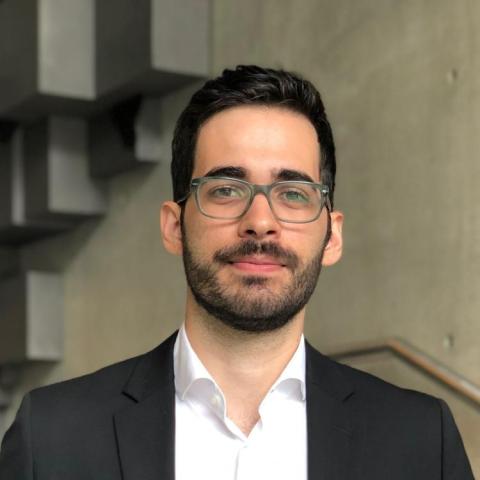
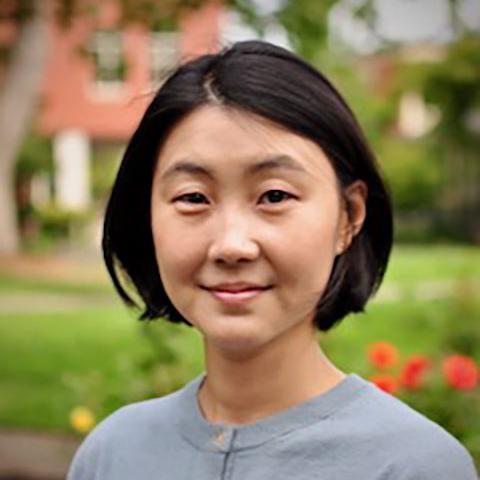
Anna (Anya) Ivanova is an Assistant Professor of Psychology at Georgia Institute of Technology. She got her Ph.D. from MIT’s Department of Brain and Cognitive Science and carried out her postdoctoral training at MIT Quest for Intelligence. In her research, Anya is examining the language-thought relationship in humans and in large language models using a synergistic combination of human brain imaging, behavioral studies, and computational modeling.

Assistant Professor of Psychology
IRI/Group and Role
Bioengineering and Bioscience > Faculty
University, College, and School/Department
Georgia Institute of Technology > College of Sciences
Research Areas
Bioengineering and Bioscience
  • Neuroscience
Data Engineering and Science
  • Machine Learning

Matthew T. Flavin

Matthew T. Flavin; ECE
mflavin@gatech.edu

Prof. Matthew Flavin is an assistant professor in the School of Electrical and Computer Engineering at the Georgia Institute of Technology where he leads the Flavin Neuromachines Lab. Before joining the faculty at Georgia Tech, he was a postdoctoral researcher at Northwestern University. He received his M.S. and Ph.D. degrees in Electrical Engineering in 2017 and 2021 from the Massachusetts Institute of Technology (MIT), and he received his B.S. in Electrical Engineering in 2015 from the University of Illinois at Urbana-Champaign (UIUC). He received the NIH Ruth L. Kirschstein Institutional National Research Service Award (T32) and the Draper Laboratory Fellowship. The vision for his independent research program is to develop powerful peripheral neural interfaces and mechatronic wearables that leverage advanced sensors and intelligent systems to address important and unresolved challenges in patient care.

Assistant Professor
Office
Van Leer 325A
Additional Research
  • Bioengineering
  • Biotechnology
  • Communications
  • Computer Engineering
  • Cyber Technology
  • Cyber-Physical Systems
  • Drug Design, Development and Delivery
  • Electronic Materials
  • Energy Harvesting
  • Flexible Electronics
  • Healthcare
  • Human Augmentation
  • Human-Centered Robotics
  • IoT for Manufacturing
  • IoT/Machine-to-Machine Trust
  • Lifelong Health and Well-Being
  • Locomotion & Manipulation
  • Machine Learning
  • Medical Device Design, Development and Delivery
  • Micro and Nano Device Engineering
  • Miniaturization & Integration
  • Mobile & Wireless Communications
  • Neuroscience
  • Precision Machining
  • Regenerative Medicine
  • Robotics
  • Soft Robotics
IRI/Group and Role
Robotics > Core Faculty
Bioengineering and Bioscience > Faculty
University, College, and School/Department
Georgia Institute of Technology > College of Engineering > School of Electrical and Computer Engineering
Research Areas
Robotics
  • Human-Centered Robotics

Munmun De Choudhury

Munmun De Choudhury
munmund@gatech.edu

Munmun De Choudhury is an Associate Professor at the School of Interactive Computing in Georgia Institute of Technology. Dr. De Choudhury is renowned for her groundbreaking contributions to the fields of computational social science, human-computer interaction, and digital mental health. Through fostering interdisciplinary collaborations across academia, industry, and public health sectors, Dr. De Choudhury and her collaborators have contributed significantly to advancing the development of computational techniques for early detection and intervention in mental health, as well as in unpacking how social media use benefits or harms mental well-being. De Choudhury's contributions have been recognized worldwide, with significant scholarly impact evidenced by numerous awards like induction into the SIGCHI Academy and the 2023 SIGCHI Societal Impact Award. Beyond her academic achievements, Dr. De Choudhury is a proactive community leader, a persistent contributor to policy-framing and advocacy initiatives, and is frequently sought for expert advice to governments, and national and international media.


Associate Professor; Director of Social Dynamics and Well-Being Laboratory; Co-Lead of Children's Healthcare of Atlanta Pediatric Technology Center at Georgia Tech's Patient-Centered Care Delivery
Phone
4043858603
IRI/Group and Role
Bioengineering and Bioscience > Faculty
Data Engineering and Science
People and Technology
Bioengineering and Bioscience
Research Areas
Artificial Intelligence

Cheng Zhu

Cheng Zhu
cheng.zhu@bme.gatech.edu

Our interests lie in the adhesion and signaling molecules of the immune system as well as those involved in platelet adhesion and aggregation. We are primarily focused on early cell surface interaction kinetics and their primary signaling responses, as these are critical in determining how a cell will ultimately respond upon contact with another cell. The majority of our work ranges from single molecule interaction studies using atomic force microscopy, molecular dynamics simulations, or biomembrane force probe assays to single cell studies using micropipette adhesions assays, fluorescence imaging techniques, or real-time confocal microscopy. These assays focus on the mechanics and kinetics of receptor-ligand binding and their downstream signaling effects within cells. T cell receptors, selectins, integrins, and their respective ligands are some of the cell surface molecules currently under investigation in our lab. Understanding the initial interaction between molecules such as these and their subsequent early signaling processes is crucial to elucidating the response mechanisms of these physiological systems. Ultimately, our research strives to help better understand the mechanisms within these systems for possible medical applications in autoimmunity, allergy, transplant rejection, and thrombotic disorders. 

Regents' Professor, Coulter Department of Biomedical Engineering
J. Erskine Love Jr. Endowed Chair, Coulter Department of Biomedical Engineering
Executive Director, International Programs, Coulter Department of Biomedical Engineering
Phone
404.894.3269
Office
UAW 1210
Additional Research

BioinformaticsBiomechanicsCell biophysicsElectron MicroscopyMechanobiology

IRI/Group and Role
Bioengineering and Bioscience > Faculty
Bioengineering and Bioscience
University, College, and School/Department
Georgia Institute of Technology > College of Engineering > Coulter Department of Biomedical Engineering

Peter Yunker

Peter Yunker
peter.yunker@gatech.edu

Dr. Yunker joined Georgia Tech’s School of Physics in 2014 after finishing his biophysics postdoc at Harvard University & New England Biolabs in 2014. Before that, he earned his Ph.D. in Physics from the University of Pennsylvania in 2012 after earning a B.S. in Physics from Texas A&M University in 2005. He has won the Burstein Prize and the Denenstein Award both from UPenn along with the Eric R. Immel Memorial award for Excellence in Teaching at GT. 

Peter’s interests are biophysics, soft matter, and golden retrievers.

Associate Professor
Phone
404-385-8642
Office
Boggs B20
Additional Research
Nonequilibrium systems, densely packed active matter with life and death events, microbial physics, structural mechanics, fracture mechanics, evolution.
IRI/Group and Role
Bioengineering and Bioscience > Faculty
Bioengineering and Bioscience
University, College, and School/Department
Georgia Institute of Technology > College of Sciences > School of Physics

Gleb Yushin

Gleb Yushin
gleb.yushin@mse.gatech.edu

Gleb Yushin is a Professor at the School of Materials Science and Engineering at Georgia Institute of Technology and a Co-Founder of several companies, including Sila Nanotechnologies, Inc.. For his contributions to materials science, Yushin has received numerous awards and recognitions, including Kavli Fellow Award, R&D 100 Award (Y-Carbon's application), Honda Initiation Grant Award, National Science Foundation CAREER Award, Air Force Office of Scientific Research Young Investigator Award, and several distinctions from National Aeronautics and Space Administration (NASA), such as Nano 50 Award. Dr. Yushin has co-authored over 30 patents and patent applications, over 100 invited presentations and seminars and over 100 publications on nanostructured Electronic Materials related applications, including papers in Science, Nature Materials and other leading journals. His current research is focused on advancing energy storage materials and devices for electronics, transportation and grid applications.

Professor, School of Materials Science and Engineering
Phone
404.385.3261
Office
Love 371
Additional Research

CharacterizationMeasurementsPhotovoltaicsPolymersProcessing, Fabrication, & ManufacturingSynthesis

IRI/Group and Role
Bioengineering and Bioscience > Faculty
Energy > Research Community
Matter and Systems > Affiliated Faculty
Bioengineering and Bioscience
Energy
University, College, and School/Department
Georgia Institute of Technology > College of Engineering > School of Materials Science Engineering
Research Areas
Matter and Systems
  • Built Environment Technologies
Energy
  • Built Environment
  • Advanced Manufacturing for Energy

Aaron Young

Aaron Young
aaron.young@me.gatech.edu

Aaron Young is an Associate Professor in Mechanical Engineering and is interested in designing and improving powered orthotic and prosthetic control systems for persons with stroke, neurological injury or amputation. His previous experience includes a post-doctoral fellowship at the University of Michigan in the Human Neuromechanics Lab working with exoskeletons and powered orthoses to augment human performance. He has also worked on the control of upper and lower limb prostheses at the Center for Bionic Medicine (CBM) at the Rehabilitation Institute of Chicago. His master's work at CBM focused on the use of pattern recognition systems using myoelectric (EMG) signals to control upper limb prostheses. His dissertation work at CBM focused on sensory fusion of mechanical and EMG signals to enable an intent recognition system for powered lower limb prostheses for use by persons with a transfemoral amputation.

Associate Professor, George W. Woodruff School of Mechanical Engineering
Director, EPIC Lab
Phone
404.385.5306
Office
GTMI 433
Additional Research

Powered prosthesis; EMG signal processing. Young's research is focused on developing control systems to improve prosthetic and orthotic systems. His research is aimed at developing clinically translatable research that can be deployed on research and commercial systems in the near future. Some of the interesting research questions are how to successfully extract user intent from human subjects and how to use these signals to allow for accurate intent identification. Once the user intent is identified, smart control systems are needed to maximally enable individuals to accomplish useful tasks. For lower limb devices, these tasks might include standing from a seated position, walking, or climbing a stair. We hope to improve clinically relevant measures with powered mechatronic devices, including reducing metabolic cost, improving biomechanics and decreasing the time required to perform daily tasks of living.

IRI/Group and Role
Bioengineering and Bioscience > Faculty
Robotics > Core Faculty
Robotics
Bioengineering and Bioscience
University, College, and School/Department
Georgia Institute of Technology > College of Engineering > Woodruff School of Mechanical Engineering
Research Areas
Artificial Intelligence