Chunhui Xu

Chunhui Xu's profile picture
chunhui.xu@emory.edu

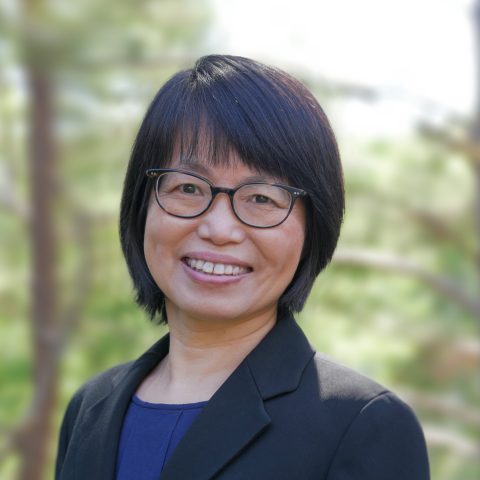
Chunhui Xu, PhD, is a Professor in the Department of Pediatrics at Emory University School of Medicine and a member of the Cell and Molecular Biology Research Program at Winship Cancer Institute. 

Research in Dr. Xu's laboratory is focused on human cardiomyocytes derived from human pluripotent stem cells, which hold promise for cardiac cell therapy, disease modeling, drug discovery, and the study of developmental biology. They are also collaborating with investigators at Georgia Tech, Emory University, and Children's Healthcare of Atlanta, to explore the application of nanotechnology and tissue engineering in stem cell research.

Professor
Director, Cardiomyocyte Stem Cell Laboratory
Phone
404-727-7774
Additional Research
The Xu laboratory is focusing on human cardiomyocytes derived from pluripotent stem cells, which hold promise for cardiac cell therapy, disease modeling, drug discovery, and the study of developmental biology. The laboratory is also collaborating with investigators in Georgia Tech, Emory University, and Children's Healthcare of Atlanta, exploring the application of nanotechnology and tissue engineering in stem cell research.
IRI/Group and Role
Bioengineering and Bioscience > Faculty
Bioengineering and Bioscience
University, College, and School/Department
Emory University > Emory + Children’s Pediatric Institute

Marvin Whiteley

Marvin Whiteley's profile picture
marvin.whiteley@biosci.gatech.edu

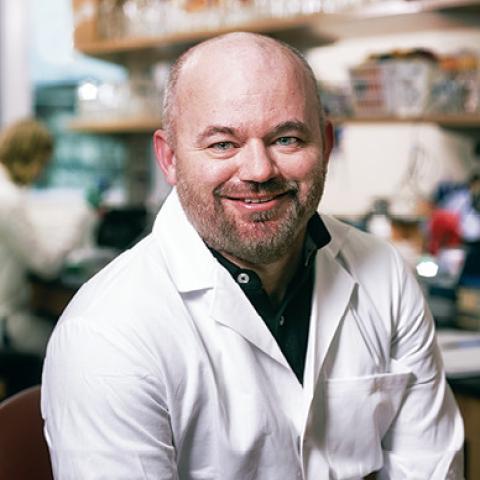
Dr. Whiteley received his B.S. degree in Zoology in 1995 from the University of Texas at Austin and his Ph.D. in Microbiology from the University of Iowa in 2001. His doctoral research involved quorum sensing and biofilm formation in the bacterium Pseudomonas aeruginosa. Following a Postdoctoral Fellowship at Stanford University in 2002, Dr. Whiteley accepted a position as an assistant professor at the University of Oklahoma/Oklahoma Health Sciences Center. In 2006, Dr. Whiteley moved to the University of Texas at Austin where he was promoted to Professor of Molecular Biosciences and Director of the LaMontagne Center for Infectious Disease. In 2017, he accepted the Bennie H. & Nelson D. Abell Chair and Georgia Research Alliance Eminent Scholar in Molecular and Cellular Biology at Georgia Institute of Technology. He also serves as Associate Director of the CF-Air Center at Emory Medical School. Dr. Whiteley has garnered numerous awards for his work including the Merck Irving S. Sigal Memorial Award for national research excellence, the Burroughs Wellcome Investigators in Pathogenesis of Infectious Disease award, recognition as a Kavli fellow of the National Academy of Sciences, the Dean’s teaching excellence award from UT-Austin, and election to the American Academy of Microbiology.

Professor
Bennie H. & Nelson D. Abell Chair in Molecular and Cellular Biology
Georgia Research Alliance Eminent Scholar
Co-Director, Emory-Children's CF Center (CF@LANTA)
Phone
404-385-5697
Office
Petit Biotechnology Building, Office 1314
Additional Research
In the Whiteley Lab, we are interested in the social lives of bacteria. Currently, we are utilizing new technologies combined with classical genetic techniques to address questions about microbial physiology, ecology, virulence, and evolution. In particular, we are working on tackling the following questions: 1. How do bacteria communicate? 2. How do polymicrobial interactions impact physiology and virulence? 3. What is the role of spatial structure in bacterial infections? 4. How does the host environment impact microbial physiology?
IRI/Group and Role
Bioengineering and Bioscience > Faculty
Bioengineering and Bioscience
University, College, and School/Department
Georgia Institute of Technology > College of Sciences > School of Biological Sciences

Peter Thule

Peter Thule's profile picture
pthule@emory.edu

Peter Thule's research interests lie in the development of insulin gene therapy as a treatment for diabetes mellitus and investigations into hepatocellular effects of ectopic insulin production. His group's animal model utilizes a metabolically regulated, hepatic specific gene promoter to drive expression of an insulin transgene in the livers of diabetic rats. Administration of viral vectors containing these promoters coupled to a human insulin cDNA, normalizes blood sugars in diabetic rodents.

Associate Professor
Adjunct Clinical Associate Professor, Morehouse School of Medicine
Phone
404-321-6111
Office
VAMC 60115
IRI/Group and Role
Bioengineering and Bioscience > Faculty
Bioengineering and Bioscience
University, College, and School/Department
Emory University > Division of Endocrinology, Metabolism, and Lipids

Susan Thomas

Susan Thomas's profile picture
susan.thomas@gatech.edu

Susan Napier Thomas holds the Woodruff Professorship and is a Professor (full) with tenure of Mechanical Engineering in the Parker H. Petit Institute of Bioengineering and Bioscience at the Georgia Institute of Technology where she holds adjunct appointments in Biomedical Engineering and Biological Science and is a member of the Winship Cancer Institute of Emory University. Prior to this appointment, she was a Whitaker postdoctoral scholar at École Polytechnique Fédérale de Lausanne (one of the Swiss Federal Institutes of Technology) and received her B.S. in Chemical Engineering with an emphasis in Bioengineering cum laude from the University of California Los Angeles and her Ph.D. in Chemical & Biomolecular Engineering Department as a NSF Graduate Research Fellow from The Johns Hopkins University. For her contributions to the emerging field of immunoengineering, she has been honored with the 2022 Award for Young Investigator from Elsevier's journal Biomaterials for "outstanding contributions to the field" of biomaterials science, the 2018 Young Investigator Award from the Society for Biomaterials for "outstanding achievements in the field of biomaterials research" and the 2013 Rita Schaffer Young Investigator Award from the Biomedical Engineering Society "in recognition of high level of originality and ingenuity in a scientific work in biomedical engineering." Her interdisciplinary research program is supported by multiple awards on which she serves as PI from the National Cancer Institute, the Department of Defense, the National Science Foundation, and the Susan G. Komen Foundation, amongst others.

Professor
Associate Director, Integrated Cancer Research Center
Co-Director, Regenerative Engineering and Medicine Research Center
Phone
404-385-1126
Office
Petit Biotechnology Building, Office 2315
Additional Research
Thomas's research focuses on the role of biological transport phenomena in physiological and pathophysiological processes. Her laboratory specializes in incorporating mechanics with cell engineering, biochemistry, biomaterials, and immunology in order to 1) elucidate the role mechanical forces play in regulating seemingly unrelated aspects of tumor progression such as metastasis and immune suppression as well as 2) develop novel immunotherapeutics to treat cancer. Cancer progression is tightly linked to the ability of malignant cells to exploit the immune system to promote survival. Insight into immune function can therefore be gained from understanding how tumors exploit immunity. Conversely, this interplay makes the concept of harnessing the immune system to combat cancer an intriguing approach. Using an interdisciplinary approach, we aim to develop a novel systems-oriented framework to quantitatively analyze immune function in cancer. This multifaceted methodology to study tumor immunity will not only contribute to fundamental questions regarding how to harness immune response, but will also pave the way for novel engineering approaches to treat cancer such as with vaccines and cell- or molecular-based therapies.
IRI/Group and Role
Bioengineering and Bioscience > Faculty
Bioengineering and Bioscience
University, College, and School/Department
Georgia Institute of Technology > College of Engineering > Woodruff School of Mechanical Engineering

Todd Sulchek

Todd Sulchek's profile picture
todd.sulchek@me.gatech.edu

Todd Sulchek is an associate professor in Mechanical Engineering at Georgia Tech where he conducts fundamental and applied research in the field of biophysics. His research program focuses on the mechanical and adhesive properties of cell and biological systems and the development of microsystems to aid in their study. His research employs tools, including, MEMS, microfluidics, imaging, and patterning to understand or enable biological systems. His interests include cancer diagnostics, stem cell biomanufacturing, novel therapeutics, and ultracheap engineering tools. He is a member of the interdisciplinary Institute for Bioengineering and Bioscience. Dr. Sulchek also holds program faculty positions in Bioengineering and Biomedical Engineering and has a courtesy appointment in the School of Biology. He received his Ph.D. from Stanford in Applied Physics under Calvin Quate and received a bachelors in math and physics from Johns Hopkins. He was a postdoc and staff scientist at Lawrence Livermore National Lab. He joined Georgia Tech in 2008 as an Assistant Professor of Mechanical Engineering. He is a recipient of the NSF CAREER award, the BP Junior Faculty Teaching Excellence Award, the Lockheed Inspirational Young Faculty award, and the 2012 Petit Institute Above and Beyond Award. To date he has published 42 journal papers and has filed or been issued 7 patents. Prof. Sulchek is a strong supporter of undergraduate research, and he participates in a variety of undergraduate education activities including the Undergraduate Research Opportunities Program (UROP) and includes over 8 undergraduate authors in the past year.

Professor, Woodruff School of Mechanical Engineering
Appointments in Bioengineering, Biomedical Engineering, and Biology
Phone
404.385.1887
Office
Petit 2309
Additional Research

Biomedical Devices; bio-MEMS; biosensors; Drug Delivery; Advanced Characterization. Dr. Sulchek's research focuses primarily on the measurement and prediction of how multiple individual biological bonds produce a coordinated function within molecular and cellular systems. There are two complementary goals. The first is to understand the kinetics of multivalent pharmaceuticals during their targeting of disease markers; the second is to quantify the host cell signal transduction resulting from pathogen invasion. Several tools are developed and employed to accomplish these goals. The primary platform for study is the atomic force microscope (AFM), which controls the 3-D positioning of biologically functionalized micro- and nanoscale mechanical probes. Interactions between biological molecules are quantified in a technique called force spectroscopy. Membrane protein solubilized nanolipoprotein particles (NLPs) are also used to functionalize micro/nano-scale probes with relevant biological mediators. This scientific program requires the development of enabling instrumentation and techniques, which include the following: Advanced microscopy and MEMs; Nanomechanical linkers, which provide a convenient platform to control biomolecular interactions and study multivalent molecular kinetics; Biological mimetics, which provide a simple system to study cell membranes and pathogens. UltIMaTely, this work is used to optimize molecular drug targeting, improve chem/bio sensors, and develop more efficient pathogen countermeasures.

IRI/Group and Role
Bioengineering and Bioscience > Faculty
Bioengineering and Bioscience > Faculty Steering Committee
University, College, and School/Department
Georgia Institute of Technology > College of Engineering > Woodruff School of Mechanical Engineering

Mark Styczynski

Mark Styczynski's profile picture
mark.styczynski@chbe.gatech.edu

Mark Styczynski is an Associate Professor in the School of Chemical & Biomolecular Engineering at the Georgia Institute of Technology (Georgia Tech), doing research at the interface of synthetic and systems biology as applied to metabolic systems. His synthetic biology work focuses on the development of low-cost, minimal-equipment biosensors for the diagnosis of nutritional deficiencies in the developing world. His systems biology work uses computational and experimental methods to characterize metabolic dynamics and regulation using metabolomics data. He has received young investigator awards from the NSF, DARPA, and ORAU. He has won multiple department-and institute-level teaching awards at Georgia Tech. He founded and was the first president of the Metabolomics Association of North America (MANA), and is a Council Member in the Engineering BiologyResearch Consortium.

Professor, School of Chemical and Biomolecular Engineering
Phone
404-894-2825
Office
EBB 4013
Additional Research

Modelling and controlling metabolic dynamics and regulation (metabolic engineering). Biofuels. Systems biology-based experimental and bioinformatics analysis of metabolism Synthetic biology for the development of biosensors and diagnostics The main focus of theStyczynski groupis the experimental and computational study of the dynamics and regulation of metabolism, with ultIMaTe applications in metabolic engineering, biotechnology, and biosensors/diagnostics.

IRI/Group and Role
Bioengineering and Bioscience > Faculty
Energy > Research Community
Bioengineering and Bioscience
Energy
University, College, and School/Department
Georgia Institute of Technology > College of Engineering > School of Chemical and Biomolecular Engineering

Francesca Storici

Francesca Storici's profile picture
francesca.storici@biology.gatech.edu

Francesca Storici was born in Trieste, Italy. She graduated in Biology from the University of Trieste. Her Ph.D. in Molecular Genetics was conferred by the International School for Advanced Studies (SISSA), in Trieste in 1998, and she conducted research at the International Centre for Genetic Engineering and Biotechnology (ICGEB) in Trieste. From 1999 to 2007 she was an NIH postdoctoral fellow in the Laboratory of Molecular Genetics under the guidance of Dr. Michael A. Resnick at the National Institute of Environmental and Health Sciences (NIEHS, NIH) in the Research Triangle Park of North Carolina, USA. In 2007 she was a Research Assistant Professor at the Gene Therapy Center of the University on North Carolina at Chapel Hill with Dr. R. Jude Samulski. Francesca joined the faculty of the School of Biological Sciences at Georgia Tech in 2007 and received the title of Distinguished Cancer Scientist of the Georgia Research Alliance. She is currently a professor in the School of Biological Sciences at Georgia Tech. Her research is on genome stability, DNA repair and gene targeting.

Professor
Phone
404-385-3339
Office
EBB 5017
Additional Research

Ribonucleotides embedded in DNA, RNA-driven DNA repair and modifications, mechanisms of genomic stability/instability, gene targeting and genome engineering.

IRI/Group and Role
Bioengineering and Bioscience > Faculty
Bioengineering and Bioscience > Faculty Steering Committee
University, College, and School/Department
Georgia Institute of Technology > College of Sciences > School of Biological Sciences

A. Fatih Sarioglu

A. Fatih Sarioglu's profile picture
sarioglu@gatech.edu

A. Fatih Sarioglu received the B.Sc. degree from Bilkent University, Ankara, Turkey in 2003, and the M.S. and Ph.D. degrees from Stanford University in 2005 and 2010, respectively, all in Electrical Engineering.

Sarioglu worked as a postdoctoral research associate at the Center for Nanoscale Science and Engineering at Stanford University from 2010 to 2012. From 2012-2014, he was a research fellow at the Center for Engineering in Medicine, Massachusetts General Hospital and Harvard Medical School. In October 2014, he joined the School of Electrical and Computer Engineering at the Georgia Institute of Technology as an assistant professor.

Sarioglu's research interests are at the interface of nano-/micro-engineering and biomedicine. He is particularly interested in developing N/MEMS-based technologies for biomedical applications.

Professor, School of Electrical and Computer Engineering
Phone
404.894.5032
Office
Pettit/MiRC 217
Additional Research

Nano- and Micro-systems for bio-molecular sensing and imagingMicrofluidic devices for cell sorting and disease detectionHigh-throughput bio-analytical instrumentation for cellular and molecular characterizationIntegrated platforms for point-of care diagnosticsImplantable medical devices for minimally-invasive health monitoring

IRI/Group and Role
Bioengineering and Bioscience > Faculty
Matter and Systems > Affiliated Faculty
Bioengineering and Bioscience
University, College, and School/Department
Georgia Institute of Technology > College of Engineering > School of Electrical and Computer Engineering
Research Areas
Matter and Systems
  • Human-Centric Technologies

Philip J. Santangelo

Philip J. Santangelo's profile picture
philip.santangelo@bme.gatech.edu

Philip Santangelo is a professor in the Wallace H. Coulter Department of Biomedical Engineering at Georgia Tech School of Engineering and Emory University School of Medicine. He is a member of the Cancer Immunology Research Program at Winship Cancer Institute. 

Dr. Santangelo obtained his Ph.D. in Engineering from the University of California at Davis. He completed his postdoctoral training at Sandia National Laboratories in Livermore, California and at Georgia Tech in Atlanta, Georgia. He also holds an MS in Engineering from Purdue University. 

The overarching theme of the Santangelo lab is the spatial biology of RNA viruses and RNA regulation. Spatial biology is the study of biology in three dimensions — and the Santangelo lab develops advanced imaging tools to achieve this goal. The lab focuses their tools on the spatial biology of HIV/SIV and human respiratory synctial virus (leading cause of bronchiolitis and pneumonia in babies) and the aberrant regulation of messenger RNA during inflammation, viral infections and cancer pathogenesis. They have developed both single molecule methods and whole body imaging methods in order to work towards our goals.

Professor
Phone
404-385-2116
Office
EBB 4015
IRI/Group and Role
Bioengineering and Bioscience > Faculty
Bioengineering and Bioscience
University, College, and School/Department
Georgia Institute of Technology > College of Engineering > Coulter Department of Biomedical Engineering

Krishnendu Roy

Krishnendu Roy's profile picture
krish.roy@gatech.edu

 In August 2023, Krishnendu Roy joined Vanderbilt University as the Bruce and Bridgitt Evans Dean of Engineering and a University Distinguished Professor in Biomedical Engineering, and Pathology, Microbiology, and Immunology, with a secondary appointment in Chemical and Biomolecular Engineering.

Previously, Roy served as Robert A. Milton Endowed Chair for the Coulter Department of Biomedical Engineering at Georgia Tech. He is also the former Director of the NSF Engineering Research Center (ERC) for Cell Manufacturing Technologies (CMaT), Center for ImmunoEngineering at Georgia Tech, and Marcus Center for Therapeutic Cell Characterization and Manufacturing. 

His overall research interests are in developing novel concepts for stem cell engineering as well as polymer controlled delivery of biological factors, especially for nucleic acid therapeutics (DNA, SiRNA and oligos) and immunoengineering. Currently, his group is involved in the following major areas of research; (a) Developing novel concepts to produce biodegradable surface functionalized micro-and nanoparticles for targeted and sustained delivery of nucleic acids, proteins, peptides and other immune modulators. In particular he is interested in developing multi-agent vaccine delivery systems for cancer and infectious diseases as well as immunotherapies for autoimmune diseases. (b) Creating spatio-temporally patterned polymer scaffolds for directed compartmental differentiation of stem cells into multiple lineages. (c) Engineering an artificial thymic niche for directed differentiation of stem cells into functional, antigen- specific T cells. (e) The development of novel nanoimprinting techniques to generate shape specific, environmentally triggered drug nanocarriers.

Faces of Research - Profile Article

Bruce and Bridgitt Evans Dean of Engineering at Vanderbilt University
University Distinguished Professor
Professor of Biomedical Engineering
Professor of Pathology, Microbiology and Immunology
Professor of Chemical and Biomolecular Engineering
Phone
404.385.6166
Additional Research
The overall goal of our research endeavor is the development of new biomaterial-based strategies for gene/drug delivery and stem cell engineering. Towards this, my laboratory focuses on three major directions: (a) design and development of novel delivery systems for nucleic-acid based immunotherapy and cancer chemotherapy (b) engineering complex microenvironments to study and manipulate stem cells and understand their behavior in biomimetic, three-dimensional conditions and (c) developing novel engineering tools and high throughput methods to generate functional T cells and Dendritic cells from stem cells.
IRI/Group and Role
Bioengineering and Bioscience > Faculty
Bioengineering and Bioscience
University, College, and School/Department
Georgia Institute of Technology > College of Engineering > Coulter Department of Biomedical Engineering
Subscribe to Drug Design, Development and Delivery